
مهرجان الشيخ زايد يعلن برنامج الفعاليات والأنشطة للاحتفال بالعام الجديد 2024
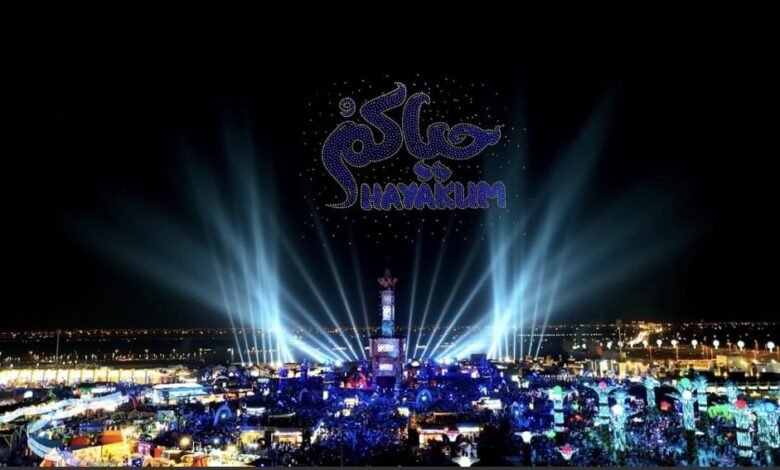
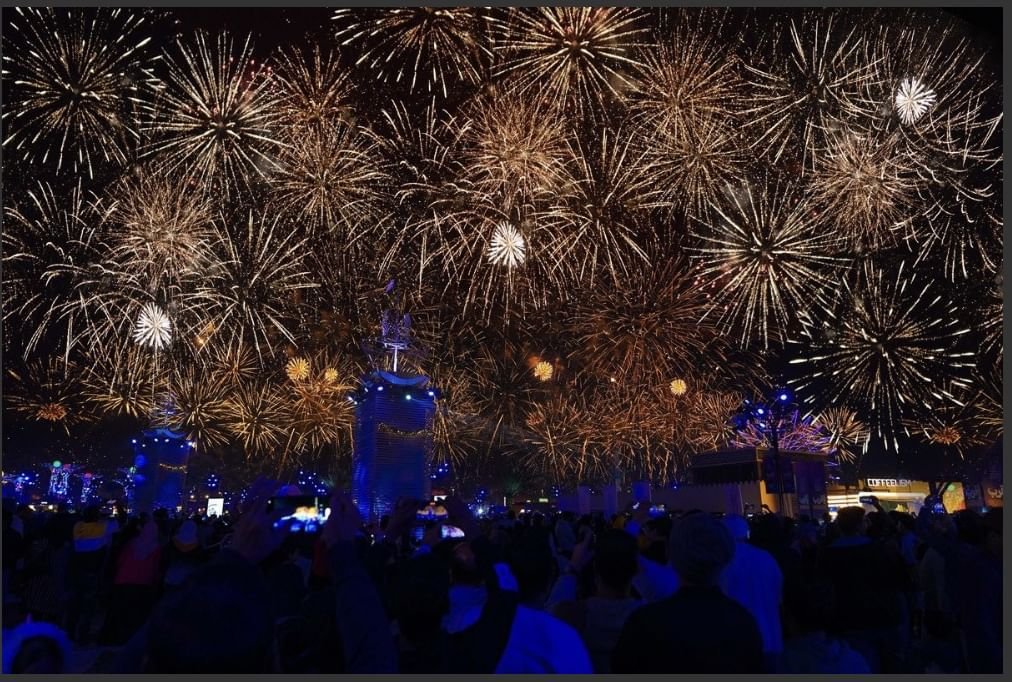
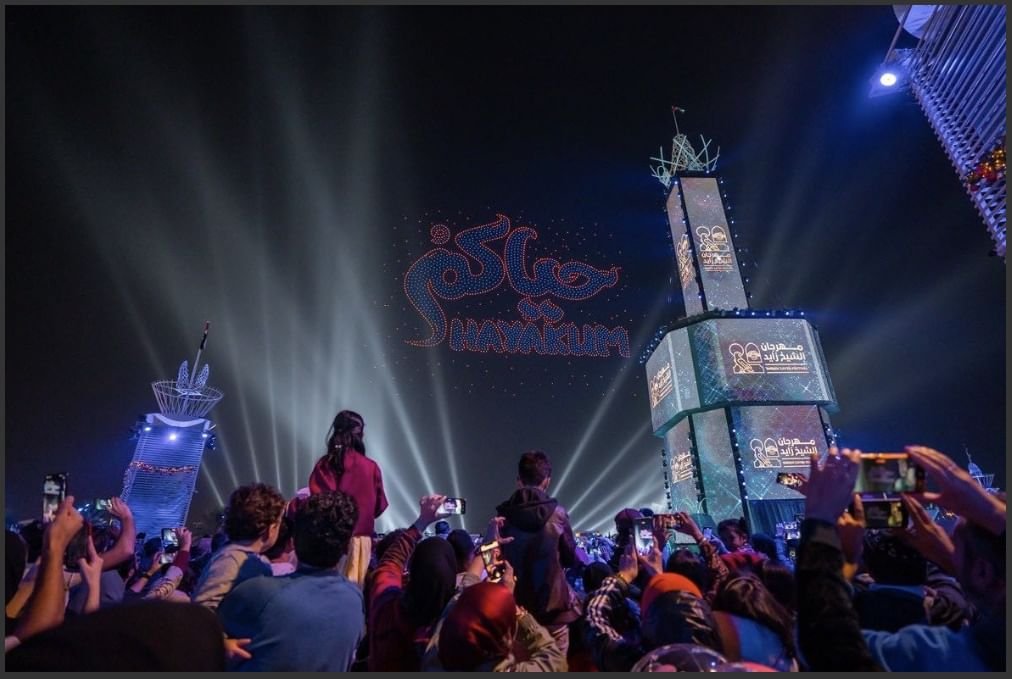
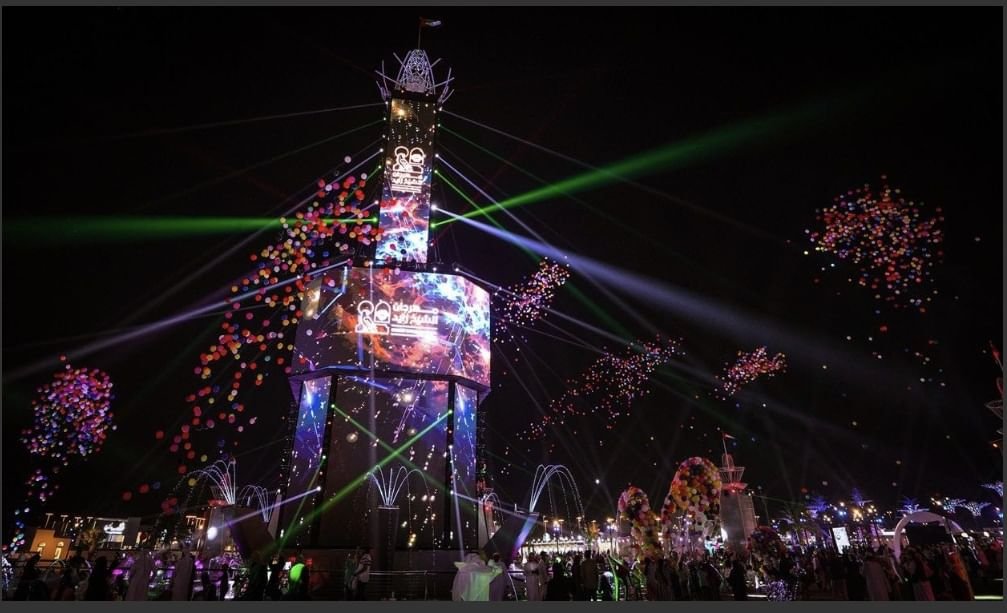
أبوظبي في 22 ديسمبر/ وام/ أعلنت اللجنة العليا المنظمة لمهرجان الشيخ زايد 2023-2024، المقام حالياً بمنطقة الوثبة في أبوظبي، عن برنامج وقائمة الفعاليات والأنشطة الجديدة والعروض الفلكلورية والفنية العالمية المبهرة، للاحتفال برأس السنة الميلادية واستقبال العام الجديد 2024، في أجواء ثقافية ترفيهية عالمية ستشهد استقطاب الزوار من المواطنين والمقيمين والسائحين من شتى أنحاء العالم، من بينها أكبر وأضخم عرض للألعاب النارية وعروض الدرون لأكثر من 60 دقيقة والذي سيحطم 4 أرقام موسوعة «غينيس» للأرقام القياسية من حيث الكمية والوقت والشكل، بالإضافة إلى إستخدام أكثر من 5000 طائرة درون في سماء الوثبة لأول مرة بالمنطقة، إلى جانب عرض الليزر الضخم والذي يستخدم لأول مرة في المنطقة، وعروض نافورة الإمارات والأضواء وغيرها الكثير من العروض والفعاليات الترفيهية من مختلف أرجاء العالم.
– الألعاب النارية.
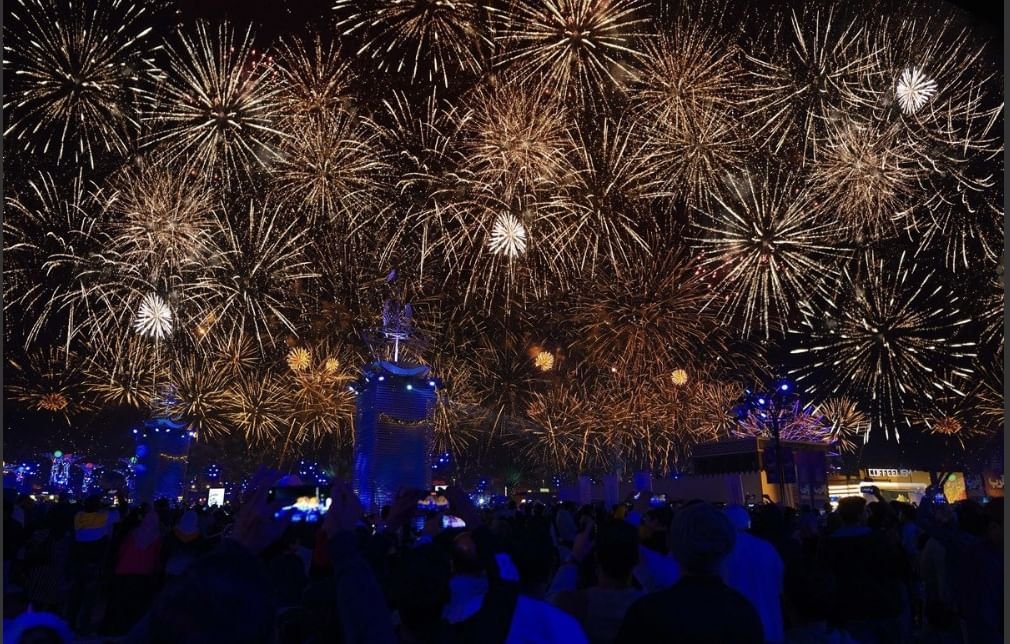
ويشهد مهرجان الشيخ زايد فعاليات جديدة واستثنائية للاحتفال بالعام الجديد ،في مقدمتها أضخم عرض للألعاب النارية الذي سيستمر لأكثر من 60 دقيقة متواصلة، ليحطم 3 أرقام قياسية جديدة في موسوعة “غينيس” للأرقام القياسية من حيث الكمية والوقت والشكل، لتمنح زوار المهرجان تجربة حماسية مع دخول الدقائق الأولى من العام الميلادي الجديد 2024.
-عروض الدرون.
وسيحظى زوار المهرجان لأول مرة بالمنطقة بفرصة لمشاهدة أكثر من 5000 طائرة درون في سماء الوثبة وهي ترسم لوحات فنية وتقدم عروضا مبهرة في سماء المهرجان للاحتفال بالعام الجديد، والتي ستشهد تحطيم رقم قياسي جديد في موسوعة «غينيس»، كما سيحظى الزوار أيضاً بالاستمتاع بأضخم عرض لليزر والذي يستخدم لأول مرة في المنطقة أيضاً، بالإضافة العروض المميزة لنافورة الإمارات والأضواء المصاحبة على إيقاع الموسيقى الفنية الرائعة والتي ستلهم الزوار من كافة الفئات العمرية لاستقبال العام الجديد.
-عروض فنية.
وسيعش كافة زوار المهرجان أجواء من السعادة والمرح في ظل الاحتفال بالعام الجديد من خلال عروض إطلاق أكثر من 100 ألف بالون طائر في سماء المهرجان لترسم ملامح البهجة والسعادة على أوجه الزائرين بألوانها المتعددة والمتميزة، بالإضافة إلى عروض (الدي جي) وعروض عزف الآلات الموسيقية عبر الليزر التي ستمنح الزوار عيش أجواء ترفيهية عالمية لا تنسى للاحتفال بالعام الجديد بصحبة الأهل والأصدقاء.
وخصصت اللجنة العليا لمهرجان الشيخ زايد شاشات عرض رئيسية خارج ساحة المهرجان لبث الفعاليات والأنشطة والعروض الخاصة بالاحتفال بالعام الجديد، في ظل الإقبال الكبير والمتوقع من زوار المهرجان للاحتفال بليلة رأس السنة وسط التجمع من كافة فئات وشرائح المجتمع.
-احتفالات متنوعة.
وتقدم القرية التراثية الواقعة في قلب ساحة المهرجان العديد من الفعاليات والأنشطة للاحتفال بالعام الجديد منها الرزفة والعيالة، كما تقدم الجهات المشاركة في المهرجان العديد من الفعاليات الترفيهية للزوار، بالإضافة إلى الفعاليات والأنشطة المميزة الأخرى للأطفال والتي تتنوع ما بين مسرحيات ومسابقات تقام على مسرح الأطفال إلى جانب الألعاب الممتعة في مدينة الألعاب الترفيهية وبيت الرعب ومُنتجع الفرسان الرياضي وغير ذلك من الأنشطة الأخرى.
وتحتفل أجنحة الدول المشاركة في المهرجان بالعام الجديد 2024 من خلال عروض كرنفالية ترفيهية واستعراضات فنية وترفيهية عالمية، كما ستجوب مسيرة الحضارات العالمية ساحات المهرجان لتقديم الاستعراضات الفنية والفلكلورية لترسم البهجة والسعادة في المهرجان للاحتفاء بالعام الجديد 2024 في أجواء حضارية ثقافية ترفيهية عالمية.
-أطعمة جديدة.
وسيحظى الزوار خلال الاحتفال بالعام الجديد 2024 بفرصة للحصول على خصومات عند التسوق من مجموعة كبيرة من المنتجات في كافة الأجنحة والأقسام، بالإضافة إلى تجارب الطعام الجديدة في العديد من المطاعم المحلية والعالمية التي تلبي تطلعات جميع الأذواق في في أجواء إحتفالية كبرى تعكس فرحة الجمهور باستقبال العام الجديد.
يذكر أن مهرجان الشيخ زايد، يستقبل زواره يومياً حتى 9 مارس 2024، ابتداء من الساعة الرابعة عصراً وحتى 12 منتصف الليل خلال أيام الأسبوع وحتى الواحدة صباحا خلال عطلة نهاية الأسبوع والعطل الرسمية، ليمنحهم فرصة لقضاء أوقات قيمة مع العائلة والأصدقاء في الهواء الطلق مع باقة كبيرة من الفعاليات والأنشطة والمسابقات المختلفة التي تناسب كافة الفئات العمرية.


